How to Choose the Best 4x6 Thermal Label for Shipping
Choosing the best 4x6 Thermal Label can make a shipping workflow smoother—or create avoidable delays. The right label prints clearly, feeds reliably, and stays attached through sorting and delivery. The wrong one may wrinkle, smudge, or peel from a corrugated box. Small details matter.
A dependable choice starts with your printer. Confirm its supported label width, core size, and direct-thermal compatibility. Then consider the surface: a clean cardboard carton usually needs less aggressive adhesive than a cold or textured package. Check print darkness and barcode readability, too. A crisp label should remain easy to scan, even after handling. Test a small roll before ordering in bulk. Worth the extra minute.
The phrase “A shipping label is only useful when it stays readable and attached” captures a practical selection principle. However, no source material was provided to verify a named industry expert or an exact quotation. Rather than invent an attribution, this introduction leaves that quote unassigned; add a sourced expert’s name and exact words before publication. This matters for trust.
This guide will compare label materials, adhesives, printer compatibility, and everyday performance. It will also look at details that are easy to overlook, such as storage conditions and roll consistency. There is no universal best option. The best 4x6 Thermal Label is the one that suits your printer, package, and shipping routine—and performs reliably when the boxes are ready to go.
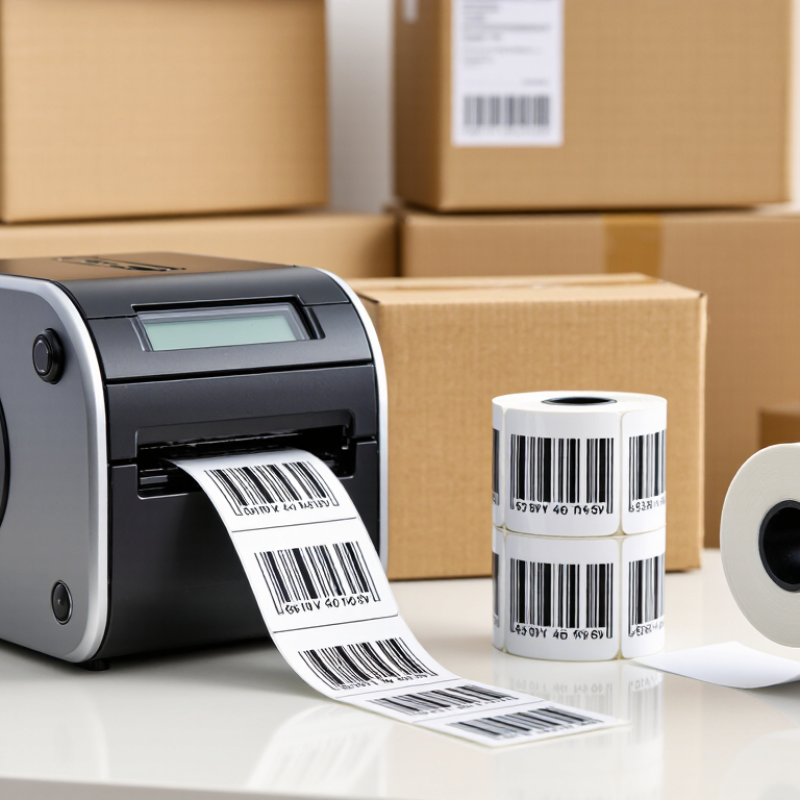
Identify Your Shipping Requirements and Label Use Cases
Before choosing a 4x6 thermal label, map the parcels you ship: their packaging, destination, handling conditions, and return needs. The U.S. Census Bureau estimated that e-commerce represented 16.1% of U.S. retail sales in 2024, underscoring the importance of reliable parcel workflows. A label for a rigid carton may not adhere well to a dusty or flexible mailer. Check that the shipping layout fits the printable area and leaves barcodes clear of seams, tape, and folds.
Consider where labels will travel. Do cartons sit in a humid loading area, or do mailers pass through cold storage? Match the adhesive and label material to those conditions, and confirm the printer type before ordering. Direct thermal labels suit many short-term shipping needs, while heat and sunlight can make them fade. If packages may be stored for weeks, test a sample first. Price matters, but choosing only by roll cost can create reprints and delays. Small details matter.
Tips
Print a test label, scan its barcode, and press it onto your actual packaging. Check adhesion after handling. Keep return labels separate if they need different placement or print settings. A small trial may not represent every route, but it can catch obvious fit problems.
Check Printer Compatibility and Label Format
A 4x6 label must match the printer, not just the parcel. Check whether the device uses direct thermal or thermal-transfer printing; the media coating must suit its method. Confirm the printable width, resolution, and supported label length in the printer specifications. A label that is slightly too wide may wrinkle or feed poorly. This detail is easy to overlook.
Check how the printer detects each label. Some sensors read the gap between labels; others need a black mark on the backing. Match the label format to that sensor, then verify roll core size, roll diameter, and whether the printer accepts rolls or fanfold stacks. The 2023 Parcel Shipping Index estimated 21.2 billion U.S. parcels in 2022, a reminder that small setup problems can repeat across many shipments. Test one roll. Print several labels, scan their barcodes, and inspect the edges for smudging or cut-off text. A quick test may still miss problems that appear after hours of printing, so recheck after loading a fresh stack. Small mismatch, real delay.
Compare Label Materials, Adhesives, and Durability
A 4x6 thermal label needs to stay readable from packing bench to delivery route. For routine indoor shipping, standard paper stock is often practical and economical. A top-coated face can better resist smudges and light moisture during handling. If parcels may sit in rain or face repeated rubbing, consider a more durable synthetic material. Tiny scuffs matter.
Adhesive choice depends on the carton, not just the label. Permanent adhesive usually grips corrugated cardboard well, while dusty, recycled, or uneven cartons can weaken contact. For cold storage, choose an adhesive rated for low application temperatures; many adhesives struggle when applied to chilled surfaces.
Press the label firmly, especially along its edges. Then check whether corners lift after the package has been handled. Durability also depends on exposure: direct thermal printing can fade with prolonged heat, sunlight, or friction.
A small trial on your actual cartons can reveal problems before a busy shipping day. Test it first. I would not assume one label performs equally well on every box; a slightly imperfect test is still more useful than guessing.
Test Sample Labels Before Choosing a Supplier
A 4x6 thermal label can look fine on a desk and still fail during a busy shipping day. Request sample rolls from each potential supplier and print them on the printer you actually use. Check that the label feeds straight, the text stays sharp, and the barcode scans easily. Small details matter.
Test more than one label. Print a few dozen, then rub the surface lightly and handle the labels with clean, dry hands. Apply them to corrugated boxes, smooth mailers, and any packaging you ship regularly. Press down the edges.
Leave some packages in a cool area and others in a warm one, then check whether the adhesive lifts or the print fades. A quick test is useful, but it cannot predict every warehouse condition.
Compare the samples side by side under ordinary packing-room light. Look for consistent cutting, even coating, and clear printing across the roll—not just on its first label. Record printer settings and results, so supplier comparisons stay fair. Keep one sample. It may also help to test labels after they have been stored for several days. That step is easy to skip, and a short trial still has limits. If a result seems borderline, ask for another sample roll before committing.