How to Choose the Right Burlap Bag in 2026?
Choosing the right burlap bag in 2026 requires more than comparing colors, prices, and online photographs. The bag must suit its actual purpose. A small gift pouch needs a different weave from a heavy produce sack. Grain, coffee, garden tools, and promotional items all create different demands.
Jute-packaging specialist Dr. Anwar Hossain offers a practical reminder: “A good burlap bag must match the load, not merely the look.” That advice deserves attention. Check the fabric weight, stitching, lining, handle strength, and closure before ordering. A loose weave may feel attractive, yet it can release fibers or stretch under pressure. A tightly woven burlap bag usually provides better shape retention. Still, tight fabric does not guarantee quality.
Touch the material.
Look closely at the seams. Uneven stitches, weak corners, and thin handles often reveal poor construction. If the bag will hold food, confirm whether it has a suitable lining and clean manufacturing conditions. Natural jute can vary in color, texture, and scent. That variation is normal, but excessive dust or a sharp chemical smell should invite questions.
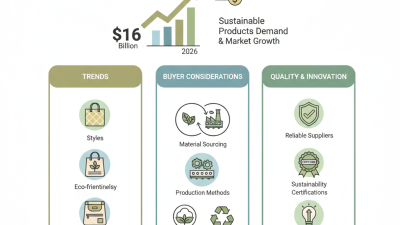
Sustainability also needs careful thought. Burlap is plant-based and often reusable, but its environmental value depends on production, transport, dyes, and disposal. “Eco-friendly” is not a complete specification. Ask for material details and reliable supplier information. I have seen attractive bags fail because buyers ignored capacity measurements. That mistake is easy to make. Measure the intended contents first, then choose a burlap bag with enough room, reinforced construction, and realistic weight tolerance.
Define the Job: Choose 7–12 oz/yd² Burlap by Load and Use
How to Choose the Right Burlap Bag in 2026?
The job decides the fabric weight. Choose 7–12 oz/yd² burlap by load, handling, and exposure. A 7 oz/yd² bag suits light produce, gift packaging, and short indoor storage. It folds easily and costs less material. However, its weave may stretch under sharp or dense contents. For potatoes, firewood, soil, or repeated handling, 10–12 oz/yd² offers better resistance. It feels stiffer in the hand. That difference matters.
FAOSTAT data places recent global jute-fibre production at roughly 3.5 million tonnes annually. This supports jute’s continuing role in practical packaging. Yet production volume does not guarantee bag strength. Check the actual fabric mass. ASTM D3776/D3776M provides a recognized method for measuring textile mass per unit area. Seam construction also matters. A heavy cloth with weak stitching can still fail. Moisture creates another problem. Wet burlap may lose shape and develop odor during storage.
Tips:
Match the bag to its heaviest realistic load, not its average load. For a 20 kg load, test a filled sample before ordering in bulk. Inspect the bottom seam and handle attachment points. I would leave extra capacity around the contents. That choice feels wasteful, but overfilling causes avoidable stress. Also, ask for tensile-test results where available, such as ISO 13934-1 data. Weight is not everything. A smaller, tightly woven bag may outperform a larger, loosely woven one.
Set Capacity: Compare 25, 50, and 100 kg Bag Ratings Safely
How to Choose the Right Burlap Bag in 2026?
Choosing between 25, 50, and 100 kg burlap bags starts with the real load, not the printed rating. A 25 kg bag suits seeds, flour, or produce moved by one person. It is easier to stack and less tiring during repeated handling. A 50 kg bag offers better warehouse efficiency, but lifting technique matters. A 100 kg bag needs strong stitching, reinforced seams, and mechanical handling. It is not a practical choice for casual manual lifting.
Check the material density before ordering. One cubic meter of grain may weigh very differently from one cubic meter of dried beans. Moisture can also increase weight and weaken burlap fibers. Leave working space near the opening. Overfilled bags strain the neck seam and may split when dropped. A neat label is not proof. Ask for seam details, fabric weight, load testing, and recommended stacking height. I once underestimated how quickly rough pallets damaged bag bottoms; that mistake changed my inspection routine.
Tips: Test a sample with the intended product. Lift it from the same points used in daily work. Inspect the base, corners, and stitching after several handling cycles. Keep 10–15% below the rated capacity when impact, humidity, or long storage is expected. For 100 kg loads, use pallets and suitable lifting equipment. Recheck the rating after washing, repairs, or changes in bag design. Safety margins can feel excessive, but they are cheaper than spilled material and injured workers.
Check Fabric: Verify Jute Content, Weave Density, and 13.75% Moisture Regain
How to Choose the Right Burlap Bag in 2026?
Fabric verification should come before color, printing, or price. Ask for the jute content by weight, not a vague “natural fiber” description. A bag containing polyester or polypropylene may feel sturdy, but it will perform differently during storage and disposal. Check the specification sheet and, when possible, request an independent fiber-composition test.
Weave density matters in your hands. Hold the fabric toward a bright window. Large gaps may allow grain, soil, or small parts to escape. Count warp and weft threads across a measured section, then compare several areas. Uneven density can reveal rushed production. It is not always obvious.
Moisture regain needs careful reading. Jute is commonly referenced at 13.75% moisture regain under defined testing conditions. This figure describes how much moisture dry fiber absorbs from controlled air. It does not mean every bag contains exactly 13.75% water. Ask for the testing temperature, humidity, and conditioning time. A damp warehouse can change the result.
A dry, sour smell deserves attention. Stiff fabric may indicate excessive drying, while soft, heavy fabric may hold hidden moisture. Inspect stitched corners and the inner surface for dark patches. One practical weakness remains: visual checks cannot confirm fiber percentage or laboratory moisture results. I would treat supplier claims as useful evidence, not final proof, until the test method and sample details are available.
Inspect Construction: Review Seams, Handles, Liners, and Load-Test Evidence
How to Choose the Right Burlap Bag in 2026?
A burlap bag should survive handling before it looks attractive. Inspect the seam line closely. Loose threads, uneven stitches, and skipped needle points often signal weak construction. For filled bags, look for double-stitched side seams and reinforced corner stitching. Handles deserve more attention. They should continue beneath the base or use visible box-and-cross stitching, not only short surface stitches. A neat sample can still hide weak corners.
Ask for documented load-test evidence, preferably from the same production batch. ASTM D5034 and ISO 13934-1 measure fabric tensile strength, but they do not fully represent a finished bag. That distinction matters. Request a whole-bag test with the intended load, repeated lifting, and a clear failure record. As a practical benchmark, testing at 1.5 times the stated load can expose handle slippage, although it is not a universal legal requirement. FAOSTAT’s recent jute, kenaf, and allied-fibre data indicate annual global output near 3.8 million tonnes, so fiber supply alone does not prove bag quality.
Check the liner for pinholes, brittle folds, and poor attachment around the opening. A liner that shifts can create pressure against the burlap. Textile Exchange’s 2024 Materials Market Report also stresses better material traceability across natural-fibre supply chains. Ask for fiber origin, batch identification, and inspection records. I used to focus too heavily on fabric thickness. That was incomplete. Stitch density, handle anchoring, and real load evidence usually reveal more.
How to Choose the Right Burlap Bag in 2026?
Inspect construction before purchasing: prioritize seam integrity, handle attachment, liner protection, and documented load-test evidence.
This 100-point screening model gives the highest combined priority to seams and load-test evidence. Confirm the bag’s rated capacity, inspect stitching and handle attachment, verify liner condition, and request a documented test report for the intended load.
Choose Storage Protection: Balance Reuse, Biodegradability, and Moisture Control
How to Choose the Right Burlap Bag in 2026?
A burlap bag should protect stored goods while creating less waste. Choose tightly woven jute for stronger resistance against dust, abrasion, and repeated handling. Check the weave. Hold the bag toward light and look for uneven gaps. Small gaps are acceptable, but loose stitching can release contents during transport. A wider opening also makes refilling and cleaning easier.
Reuse depends on how well the bag handles moisture. Burlap absorbs humidity, so it suits dry grains, firewood, vegetables, and other breathable materials. It is not ideal for damp rooms, wet produce, or long-term contact with condensation. Keep it dry. Select a bag with a washable inner liner when moisture exposure is possible. However, liners may reduce breathability and complicate recycling. That trade-off deserves attention.
Biodegradability matters after the bag’s useful life. Untreated jute can break down more naturally than synthetic fabric, especially when it contains minimal coatings, plastic threads, or chemical finishes. Read the material details carefully. A “natural” appearance does not prove complete biodegradability. I once preferred a heavily lined bag because it seemed safer, but cleaning and disposal became less practical. That experience changed my choice toward simpler construction. Before buying, consider expected weight, storage humidity, washing needs, and the number of reuse cycles. A durable, repairable bag may create less waste than a thinner bag replaced every season.