Top Fresh Peeled Garlic Suppliers for Global Buyers
Global buyers need more than attractive pricing when sourcing Fresh Peeled Garlic. Product quality can change within days without careful handling. This guide introduces leading supplier options for importers, food manufacturers, wholesalers, and professional kitchens. It focuses on evidence, not impressive claims. Each supplier should be considered through product consistency, processing capability, export experience, and communication quality.
A practical review examines garlic variety, clove size, peeling accuracy, moisture control, and packaging strength. Buyers should request recent samples before placing larger orders. Ask for proof. Useful evidence may include batch records, traceability documents, laboratory reports, and recognized food-safety certifications. Cold-chain procedures also deserve close attention, especially when shipments cross several climates. Clear specifications should cover pack size, shelf life, storage temperature, minimum order quantity, and expected lead time. Small details matter.
The strongest suppliers usually explain their process clearly, from raw garlic selection to final carton loading. They understand that reliable delivery is not only a logistics issue. It also reflects planning, quality supervision, and honest communication when problems arise. However, no supplier is perfect, and published information may not reveal seasonal changes or production limitations. Buyers should compare claims with samples, factory responses, and documented performance. A lower price can hide higher waste. A familiar name can still require careful verification. This overview helps global purchasers assess supplier credibility with practical judgment and realistic expectations.
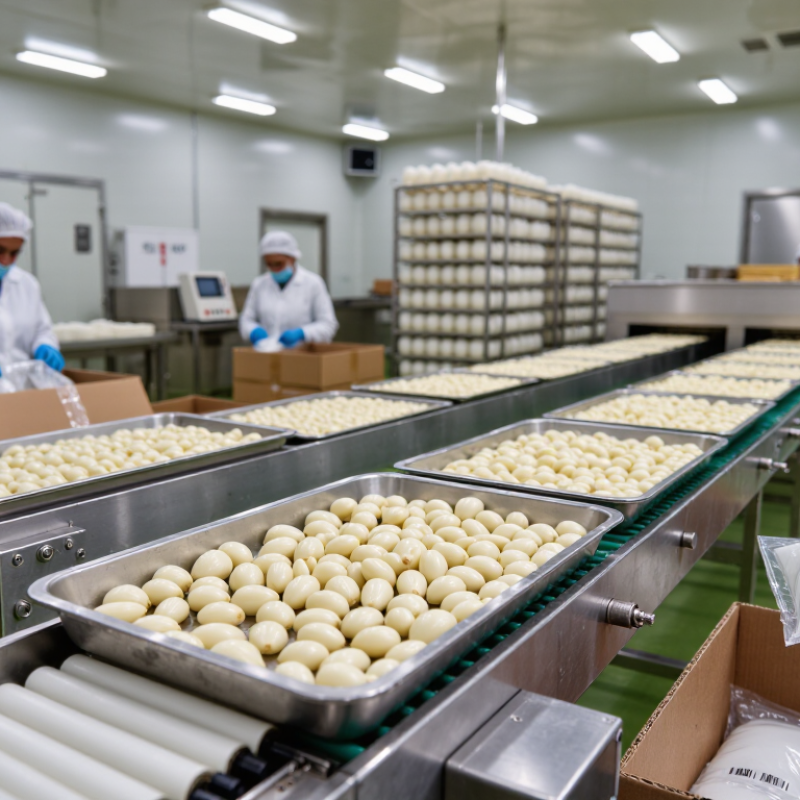
What Fresh Peeled Garlic Is and Why Global Buyers Choose It
Fresh peeled garlic is made from mature garlic cloves with the outer skin removed. The cloves are cleaned, sorted, and packed without drying them into a powder. Their surface should look firm, pale, and slightly moist, not wet or slimy. A fresh clove has a clean garlic aroma and a crisp bite.
Global buyers choose peeled garlic to reduce preparation time and kitchen labor. Restaurants can portion cloves quickly during busy service. Food manufacturers can add consistent garlic to sauces, marinades, and ready-to-cook meals. Buyers also gain more predictable yields because less skin becomes waste. Reliable suppliers should provide harvest details, processing dates, size specifications, packaging information, and storage guidance. Cold-chain control matters. Temperature abuse can shorten shelf life, even when the package looks acceptable. Buyers should also request documented hygiene procedures and relevant laboratory testing. These details support safer and more informed purchasing decisions.
Tips:
Ask whether the product is truly fresh peeled or previously frozen. Confirm the preferred clove size, net weight, carton format, and delivery temperature. Inspect a sample for bruising, strong fermentation odors, excess liquid, or uneven peeling. A small trial order is often wiser than a large commitment. I have found that “long shelf life” claims need careful questions, because storage conditions vary across shipping routes. Even a good specification can fail when handling is inconsistent.
How to Evaluate Fresh Peeled Garlic Suppliers
Top Fresh Peeled Garlic Suppliers for Global Buyers
How to Evaluate Fresh Peeled Garlic Suppliers
Choosing a fresh peeled garlic supplier requires more than comparing prices. Product quality can change within hours when temperature control fails. Ask for recent harvest details, peeling dates, storage conditions, and shipping records. Reliable suppliers should explain their process clearly. Vague answers are warning signs.
Request samples from different production batches. Check firmness, color, aroma, moisture, and broken cloves. The garlic should look clean, fresh, and consistent. Ask for microbiological test reports and pesticide documentation where required by your market. Verify traceability from farm or processor to shipping carton. Packaging should protect cloves from crushing and condensation. A supplier may provide impressive documents, but documents alone cannot prove daily performance. That is an uncomfortable limitation.
Tips: Confirm cold-chain procedures before signing. Ask how delays are handled. Compare actual sample quality with the written specification. Review the supplier’s response time, not only the quoted price. Small details matter.
Evaluate capacity with care. A supplier may promise large volumes but lack stable seasonal supply. Request production schedules, minimum order quantities, lead times, and backup plans. Check whether the facility follows recognized food-safety systems and allows reasonable third-party inspections. Payment terms should match your risk level. Keep records of every agreement. Even experienced buyers sometimes overlook this step. Fresh peeled garlic is perishable, so trust must be measured through evidence, not confidence.
Global Sourcing, Packaging, and Cold Chain Requirements
Global buyers should assess fresh peeled garlic suppliers beyond price and harvest volume. FAOSTAT data indicate global garlic production reached approximately 28 million tonnes in 2022. However, peeled cloves need tighter control than whole bulbs. Ask suppliers for harvest records, microbial testing, pesticide documentation, and lot-level traceability. A reliable supplier should also explain peeling water quality and worker hygiene procedures. Small details matter here.
Packaging must protect cloves from crushing, dehydration, and condensation. Food-grade trays, sealed pouches, or ventilated cartons can support different transport routes. Packaging should show origin, lot number, processing date, use-by date, and storage temperature. Cold-chain handling commonly targets 0–4°C, with stable humidity and minimal temperature swings. A warm loading dock can damage quality before the container leaves port. UNEP’s Food Waste Index Report 2024 estimated 1.05 billion tonnes of food were wasted in 2022. Better packaging and temperature control can reduce this avoidable loss, although no package fixes poor handling.
Tips: Request a pre-shipment sample and inspect firmness, odor, liquid leakage, and discoloration after 48 hours. Use temperature loggers inside pallets, not only inside the truck. Confirm whether the supplier uses modified-atmosphere packaging, because excessive carbon dioxide may create off-odors. I would not rely on a single laboratory result; repeated checks are safer. Buyers should also compare transit time, customs documents, insurance terms, and emergency replacement procedures before signing a seasonal contract.