
10 Best Cloth Bag Suppliers for Global Buyers?
Choosing the right cloth bag supplier can shape product quality, delivery reliability, and customer trust. Global buyers often compare factories by price alone. That approach can create expensive surprises later. A strong supplier should demonstrate practical experience, stable production, clear communication, and responsible sourcing. This guide examines ten cloth bag suppliers through those essential purchasing considerations.
The evaluation focuses on fabric quality, stitching strength, printing accuracy, minimum order quantities, and production capacity. It also considers sample procedures, packaging methods, lead times, and export experience. Buyers should request fabric specifications, such as cotton type, fabric weight, and colorfastness. A physical sample can reveal loose threads, uneven handles, or weak seams within minutes. Factory audits and recognized certifications may provide additional confidence, but documents should be verified carefully.
No supplier is perfect. A company with excellent printing may offer slower delivery. Another may provide competitive prices but limited customization. That trade-off deserves attention. Buyers should also ask how suppliers manage rejected goods, production delays, and communication across time zones. These details often matter more than a polished website. The suppliers discussed here are assessed from a practical, evidence-based perspective rather than promotional claims. Market conditions can change, and this overview should not replace direct verification. Before signing an agreement, confirm samples, specifications, payment terms, inspection standards, and shipping responsibilities in writing. A dependable cloth bag partner should make expectations clear before production begins.
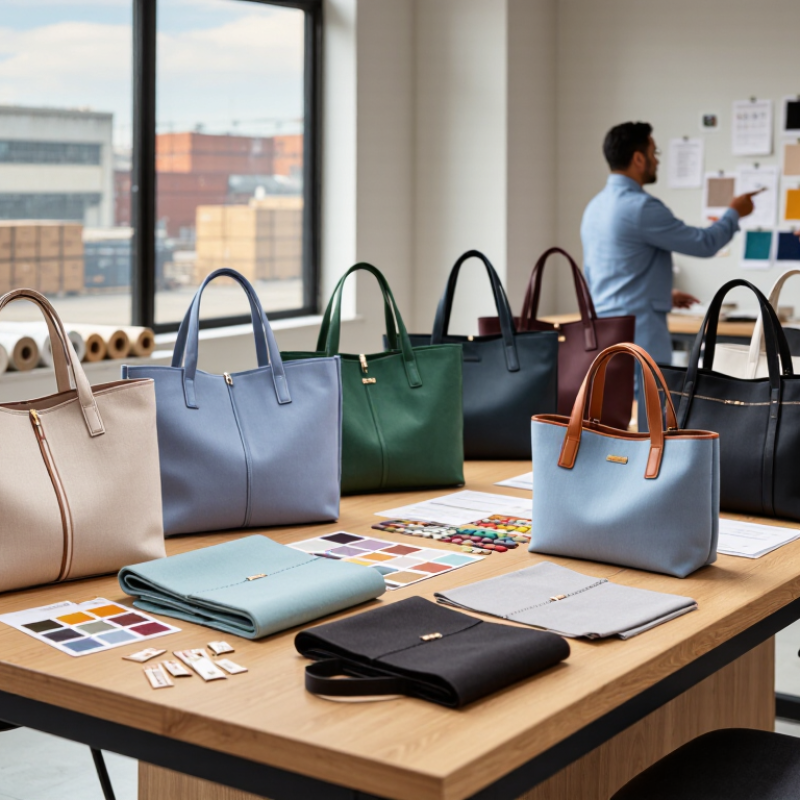
Table of Contents
[Hide]
How to Evaluate Cloth Bag Suppliers for Global Buyers
How to Evaluate Cloth Bag Suppliers for Global Buyers
Choosing among the 10 best cloth bag suppliers requires more than comparing catalog photos. A reliable supplier should explain fabric weight, stitching methods, handle strength, and colorfastness in clear terms. Request physical samples before placing a large order. Inspect the seams, folded edges, print alignment, and smell of the fabric. Small flaws often appear only after repeated handling.
Ask for recent production photos, quality-control records, and independent test reports when relevant. Confirm whether the supplier follows responsible labor and environmental practices. Certifications can support trust, but verify their scope and validity. A certificate alone does not prove consistent factory performance. Visit the facility when possible, or arrange a documented third-party inspection.
Check practical details carefully. Discuss minimum order quantities, sample fees, production capacity, packaging, payment stages, and delivery timelines. Ask how the supplier handles defective bags or late shipments. Their response may reveal more than a polished sales presentation. I have found that clear written specifications prevent many disputes, yet they cannot remove every risk. Unexpected fabric shortages or color differences can still happen.
Keep communication measurable. Use a signed sample, approved artwork, and a detailed inspection checklist. Compare the promised lead time with actual production updates. A supplier that admits limitations may be safer than one promising everything immediately. Reliability grows through evidence, not attractive claims.
| Supplier Profile | Best-Fit Product Segment | Common Fabric Options | Typical Fabric Weight | Customization Capability | Typical MOQ Range | Sample Lead Time | Bulk Production Lead Time | Quality Evidence to Request | Export Readiness | Indicative Evaluation Score |
|---|---|---|---|---|---|---|---|---|---|---|
| Anonymous Supplier 01 | Retail shopping bags | Natural cotton, recycled cotton, cotton-polyester blend | 140–220 GSM | Screen printing, heat transfer, woven labels, custom handles | 500–1,000 pieces | 7–10 working days | 25–35 days | Pre-production sample, fabric GSM report, color fastness report, carton test | Strong | 9.1 / 10 |
| Anonymous Supplier 02 | Promotional and event bags | Lightweight cotton, non-woven polypropylene, recycled polyester | 70–140 GSM | One- to four-color printing, large-area artwork, standard handles | 1,000–3,000 pieces | 5–8 working days | 18–28 days | Artwork proof, print adhesion test, dimensional inspection, packing photos | Strong | 8.8 / 10 |
| Anonymous Supplier 03 | Premium branded gift bags | Heavy cotton canvas, linen blend, brushed cotton | 280–450 GSM | Embroidery, multi-color printing, piping, gussets, magnetic or zip closures | 300–800 pieces | 10–14 working days | 30–45 days | Material swatches, embroidery sample, seam-strength test, pre-shipment inspection | Strong | 8.7 / 10 |
| Anonymous Supplier 04 | Produce and grocery bags | Organic cotton, recycled cotton, washable canvas | 180–300 GSM | Reinforced handles, inner pockets, gussets, care labels, custom dimensions | 500–1,500 pieces | 10–15 working days | 30–40 days | Fiber-content documentation, wash test, handle-load test, stitching inspection | Strong | 8.6 / 10 |
| Anonymous Supplier 05 | Reusable drawstring and pouch bags | Cotton muslin, organic cotton, recycled polyester | 90–180 GSM | Drawcord colors, screen printing, labels, custom pouch sizes | 1,000–2,000 pieces | 7–10 working days | 22–32 days | Cord-strength check, seam inspection, print-rub test, random sampling report | Good | 8.4 / 10 |
| Anonymous Supplier 06 | Industrial and warehouse tote bags | Heavy canvas, cotton duck, coated polyester | 350–650 GSM | Reinforced webbing, load-bearing handles, dividers, industrial sewing | 200–600 pieces | 12–18 working days | 35–50 days | Load test, seam-strength report, fabric coating specification, inspection checklist | Good | 8.2 / 10 |
| Anonymous Supplier 07 | Fashion and lifestyle totes | Canvas, denim, jute-cotton blend, recycled textile blend | 220–400 GSM | Appliqué, embroidery, contrast panels, metal accessories, custom linings | 300–1,000 pieces | 12–16 working days | 35–50 days | Accessory nickel test, color approval, seam inspection, finished-product measurement report | Good | 8.1 / 10 |
| Anonymous Supplier 08 | Certified-material sustainable bags | Organic cotton, recycled cotton, recycled polyester, hemp blends | 150–320 GSM | Water-based printing, recycled trims, traceability labels, custom packaging | 1,000–3,000 pieces | 14–20 working days | 40–55 days | Valid scope certificates, transaction documentation, chain-of-custody records, social audit | Strong | 8.0 / 10 |
| Anonymous Supplier 09 | Small-batch custom bags | Cotton canvas, linen, recycled fabric remnants | 160–360 GSM | Low-volume prototyping, mixed colors, custom patterns, small artwork revisions | 100–500 pieces | 10–18 working days | 25–40 days | Prototype approval, material origin statement, measurement report, final random inspection | Good | 7.9 / 10 |
| Anonymous Supplier 10 | High-volume standard tote bags | Standard cotton, non-woven polypropylene, polyester | 60–180 GSM | Standard sizes, basic printing, fixed handle colors, carton customization | 5,000–20,000 pieces | 5–8 working days | 20–30 days | Pre-shipment inspection, print registration check, carton drop test, loading plan | Strong | 7.8 / 10 |
Evaluation figures are practical procurement benchmarks for anonymous supplier profiles, not named-company claims. Buyers should verify certificates, samples, production capacity, quality records, Incoterms, payment terms, and shipment history before placing an order.
Related Posts
-

Why Choose Cloth Bags Over Plastic for a Sustainable Future?
-
2026 Best Cloth Bag Trends for Global Buyers to Consider?
-
Elevate Your Style: The Ultimate Guide to Choosing the Perfect Tote Bag for Every Occasion
-

How to Choose the Best Sustainable Bags for Your Business: An Expert's Guide to Eco-Friendly Solutions
-
What is a Jute Sack and Why Should You Choose It?
-
Top 10 Types of Burlap Bags for Wholesale Buyers